
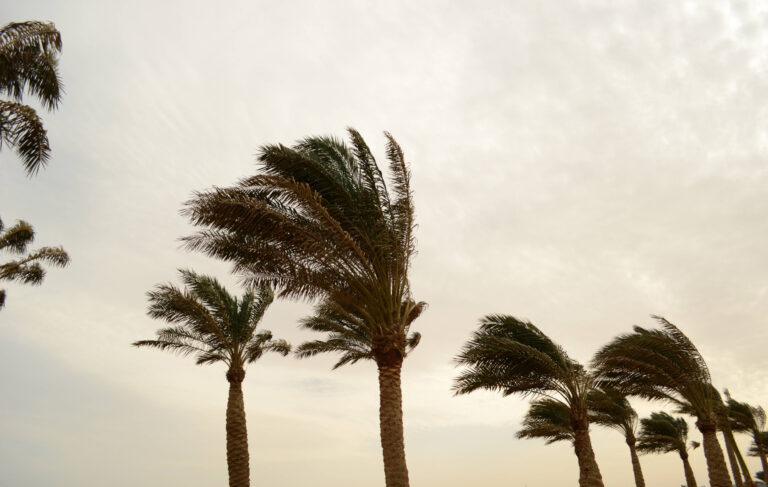
Las Vegas sits at the edge of the Mojave Desert, and the wind here does not politely announce itself. Gusts can arrive without much warning, scattering construction debris, flipping unsecured furniture, and slamming heavy doors into bystanders in a matter of seconds. When a Las Vegas wind accident sends someone to the hospital with bone fractures, traumatic brain injuries, or worse, the first question families often ask is: who is actually responsible for this?
The answer almost always comes back to the property owner, contractor, or business that failed to take reasonable precautions before the gusts rolled in. If you or someone you love was hurt under those circumstances, the Las Vegas injury lawyers from ER Injury Attorneys are ready to help you find out who is liable and what your claim may be worth.
Premises Liability: When “Mother Nature” Isn’t to Blame
Property owners in Nevada carry a legal duty to keep their premises reasonably safe for guests, customers, and visitors. High winds are not unusual in southern Nevada. They are a known, predictable feature of the regional climate. That predictability matters enormously in a premises liability case.
When a business or property owner knows that wind events are common and still leaves heavy furniture unsecured, ignores a leaning tree, or allows construction materials to pile up on an open platform, they have created a foreseeable hazard. The wind itself may have caused the object to move, but the negligence that put that object in a dangerous position belongs to a person, not a weather system.
Nevada courts have consistently declined to let property owners escape liability simply by labeling a storm an “act of God.” If a reasonable property manager would have taken preventive steps given local wind patterns, the failure to do so can establish negligence. That is the foundation on which most Las Vegas wind accident injury claims are built.
Common Las Vegas Wind Accident Hazards and Property Negligence
Wind-related injuries happen across a wide range of settings in the Las Vegas Valley, from the resort corridors on the Strip to shopping centers like The District and The Galleria. Below are some of the most frequently reported hazard categories.
Unsecured Patio and Pool Furniture Can Lead to a Las Vegas Wind Accident
Resorts, restaurants, and apartment complexes throughout the valley maintain large outdoor spaces with chairs, umbrellas, and table sets that can become dangerous projectiles in a sustained gust. Properties near the Las Vegas Strip, outdoor dining venues along Green Valley Ranch in Henderson, and apartment communities in Summerlin near Red Rock Canyon are all settings where flying patio furniture has caused documented injuries. A heavy iron chair traveling at speed can produce devastating bone fractures and head trauma. When management had time to secure or store those items and chose not to, liability becomes a serious conversation.
Construction Debris and “Struck-By” Accidents
Las Vegas has seen sustained construction activity for years. Active build sites in the Downtown Las Vegas Arts District, along the I-15 and US-95 interchange corridors, and in rapidly developing parts of Henderson near Water Street are required to meet federal OSHA standards for debris containment and site security.
When scaffolding is improperly anchored, tarps are left to catch the wind, or loose material sits near an open edge, a strong gust can send those objects into the street or onto a sidewalk. Struck-by accidents from wind-blown construction debris frequently produce spine injuries and traumatic brain injuries that alter a victim’s life permanently.
How Wind-Caught Casino Doors Can Cause a Las Vegas Wind Accident
Heavy glass and metal doors at casino entrances and hotel lobbies can be ripped open by a strong gust and slam into a guest before staff has any chance to react. Properties along the Las Vegas Boulevard corridor and in Town Square Las Vegas are high-traffic environments where this type of injury happens more than the public realizes. When a door’s wind-resistance hardware is outdated, missing, or in need of repair, the property owner’s maintenance failures put every guest at risk. A Las Vegas wind accident involving a door can result in broken wrists and arms from a protective fall, blunt force trauma to the skull, or soft tissue injuries from being knocked off balance.
Falling Trees and Heavy Palm Fronds
The tall Washington palms that line so many Las Vegas streets and resort driveways shed fronds that can weigh several pounds each, and during a wind event, they fall with force. Ornamental trees that were never meant for desert conditions are also a recurring issue in planned communities across Summerlin and parts of Henderson near Anthem. When a property owner or HOA has received prior complaints about a leaning tree or a palm visibly overloaded with dead fronds, and the hazard goes unaddressed, that failure can support a negligence claim. The Las Vegas injury lawyers from ER Injury Attorneys regularly investigate whether tree and vegetation records show a pattern of neglect that preceded the accident.
Defeating the “Act of God” Insurance Defense
After a wind injury, property and business insurers often move quickly to characterize the event as an unforeseeable natural disaster. This framing is almost always worth challenging. Meteorological data from the National Weather Service office in Las Vegas can show that wind advisories were issued well before the accident occurred.
Maintenance logs can reveal how long a known hazard was left in place. Expert witnesses in structural engineering and property management can testify about standard-of-care practices. Taken together, this evidence helps demonstrate that the property owner had both the knowledge and the opportunity to prevent the Las Vegas wind accident and simply did not.
The 48-Hour Rule: Preserving Las Vegas Wind Accident Evidence
Wind damage gets cleaned up fast. Broken branches are hauled away, furniture is replaced, and construction sites are reorganized before an injured person even leaves the hospital. That makes the first 48 hours after a Las Vegas wind accident critical for evidence preservation.
Photographs and videos of the scene, the object that caused the injury, and the surrounding conditions can establish everything a legal team needs to show how and why the accident occurred. Eyewitness contact information, surveillance footage from nearby businesses, and a copy of any incident report filed at the scene are equally valuable.
The Las Vegas injury lawyers from ER Injury Attorneys can send investigators to the scene, issue evidence preservation letters to businesses and property owners, and formally request surveillance footage before it is overwritten. These steps, taken quickly, often make the difference between a provable claim and one that dissolves because the key evidence is gone.
Contact ER Injury Attorneys Injury Attorneys in Las Vegas
Bone fractures that require surgery, traumatic brain injuries that disrupt work and family life, and spine injuries that lead to chronic pain are not outcomes anyone should navigate alone. If a wind-related accident on someone else’s property caused your injuries, you deserve answers about your legal options. The Las Vegas injury lawyers from ER Injury Attorneys are here to answer any questions about wind-related injury.
Our Nevada injury lawyers handle wind accident liability cases across the entire valley, from the resort corridor and downtown Las Vegas to neighborhoods in Henderson and Summerlin. Consultations are free, and our team is available 24/7. Reach out to ER Injury Attorneys Injury Attorneys today, because even though the storm has passed, your fight for compensation is just beginning.
To arrange a free consultation, call us at 702-878-7878. If you prefer to connect with us online, you can speak to one of our LiveChat agents or submit your case information through our encrypted online contact form.
The information on this blog is for informational purposes only. It is not meant to serve as legal advice for an individual case or situation. This information is not intended to create an attorney-client relationship nor does viewing this material constitute an attorney-client relationship.